Agricultural Data Governance
Explore Project

Data-governance framework, permission and consent workflow, data-use matrix, model data clauses, and dispute-resolution process
Stakeholders Engaged
Farmers, advisors, laboratories, machinery platforms, program operators, agritech firms, and buyers
Solution Delivered
Ongoing
Impact & Adoption
Clearer trust and accountability in agricultural data relationships
YearS
Overview
Challenge
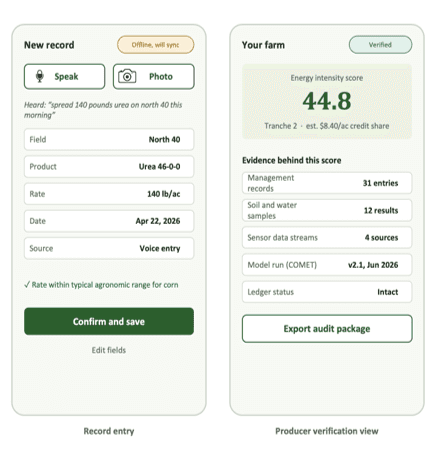
Agricultural data may move through farm-management platforms, precision equipment, laboratories, remote-sensing providers, advisors, retailers, insurers, buyers, research organizations, and public agencies. Uncertainty about collection, access, commercialization, algorithmic use, correction, portability, and participation can reduce trust and discourage beneficial sharing.
Claim or decision
Agricultural data can support credible verification when access, use, accountability, and participant rights are clear enough to understand and evaluate.
Stakeholders
Farmers, advisors, laboratories, machinery platforms, program operators, agritech firms, and buyers.
Evidence used
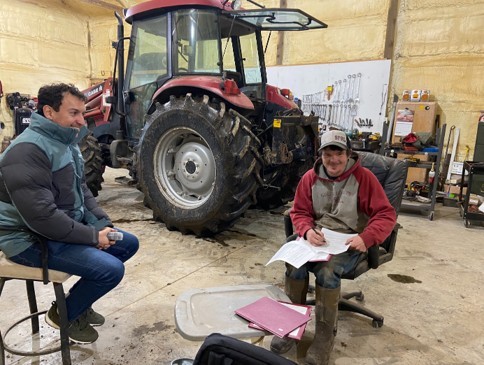
Stakeholder requirements; data-access and permission records; consent and data-use workflows; roles and responsibility mapping; correction, portability, retention, and deletion requirements; disputed-claim scenarios.
Method
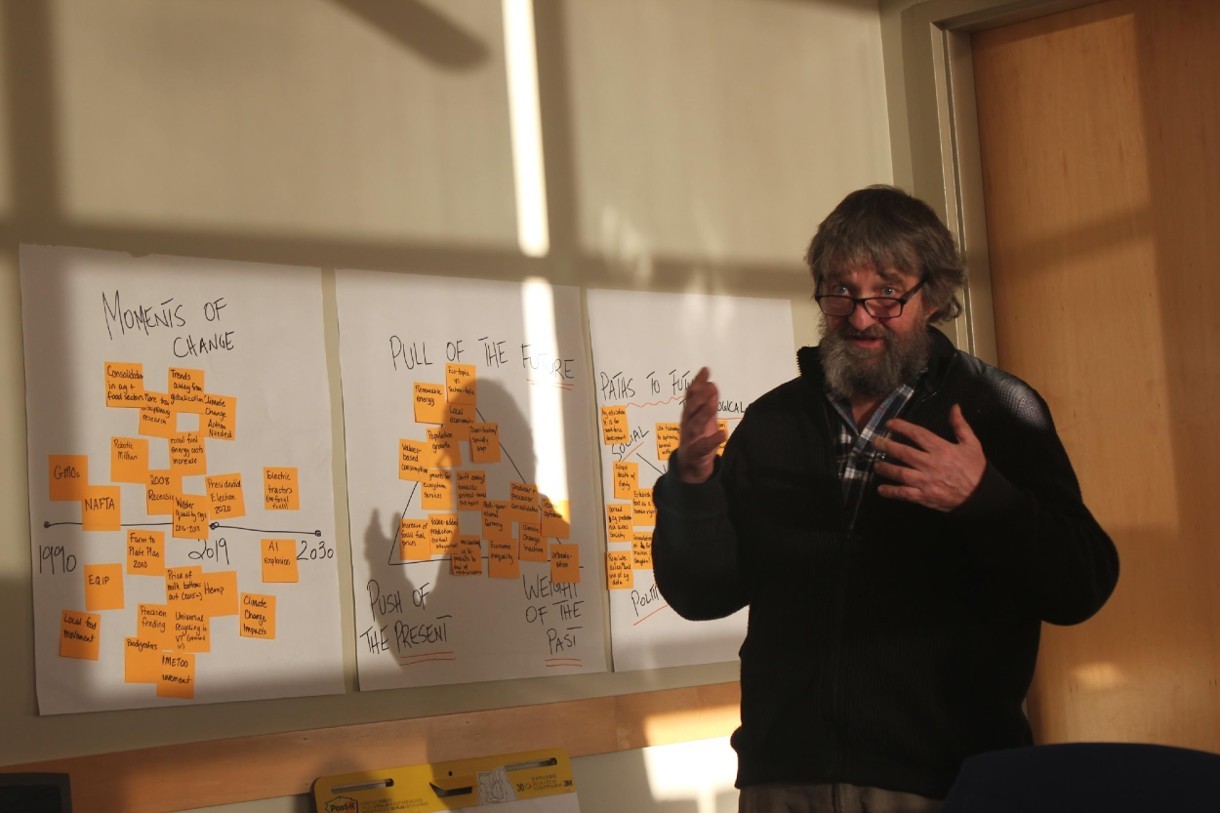
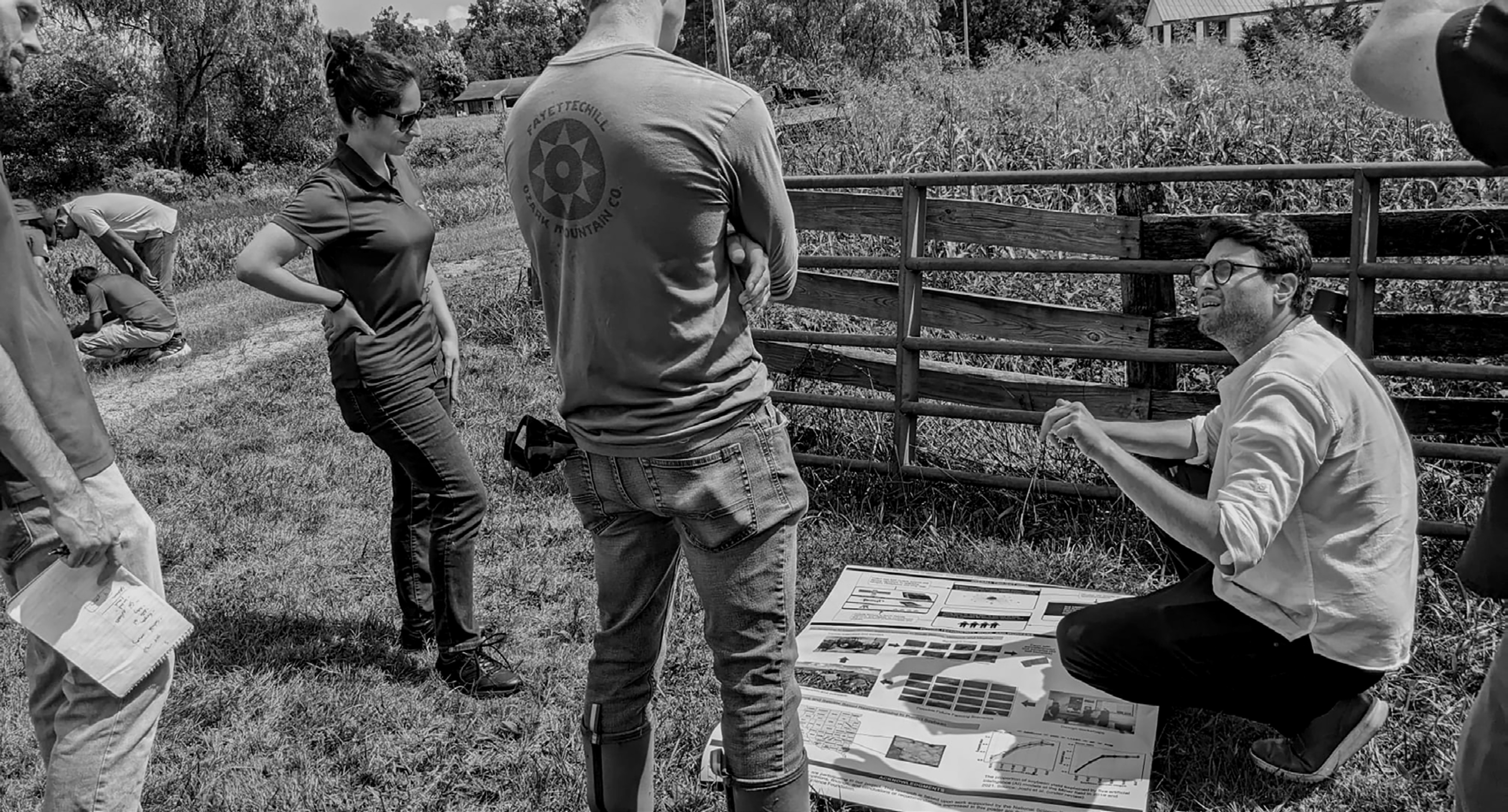
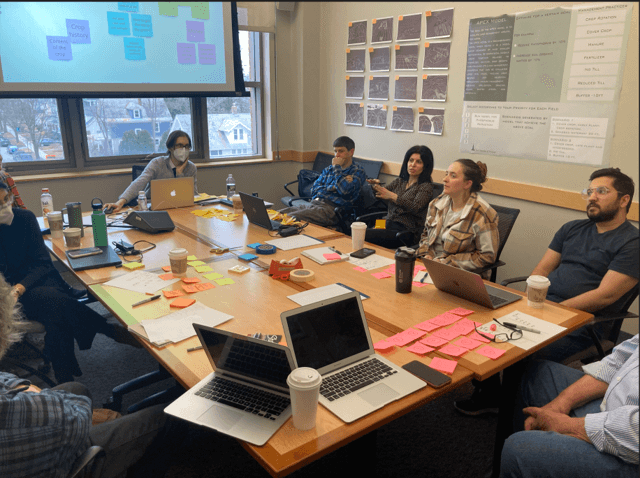
Agropod uses participatory research and serious games to examine governance choices involving data sharing, privacy, consent, agribusiness participation, farmer networks, AI-based recommendations, institutional trust, collective benefits, and individual control.

Process
Who participates: farmers, certified crop advisors, agricultural advisors, technology companies, researchers, policy stakeholders, and agricultural participants with different levels of expertise. Governance topics include access, use, sharing, retention, portability, correction, and accountability.

Results
This project reflects Agropod’s broader experience in responsible digital agriculture and participatory innovation. Project outcomes should be interpreted within the specific geography, stakeholders, data, and period described. It informs our farmer-centered approach to permissions, transparency, and data use.