About
Agropod designs regenerative agriculture programs that help farmers adopt conservation practices, help partners align incentives, and help markets recognize verified performance. We combine program design, agricultural measurement, traceability, and verification readiness so environmental and production outcomes can become practical, credible, and rewardable.
Why Agropod
Regenerative practices can improve environmental and production outcomes, but adoption at scale requires more than promising technologies. Farmers need durable reasons to change; program partners need implementable rules; funders and buyers need credible evidence; and public and private initiatives need to work together. Agropod was created to connect these conditions. Our work brings together agricultural science, incentive design, geospatial intelligence, decision science, participatory research, and responsible data governance.
Designed with the People Who Make Change Happen
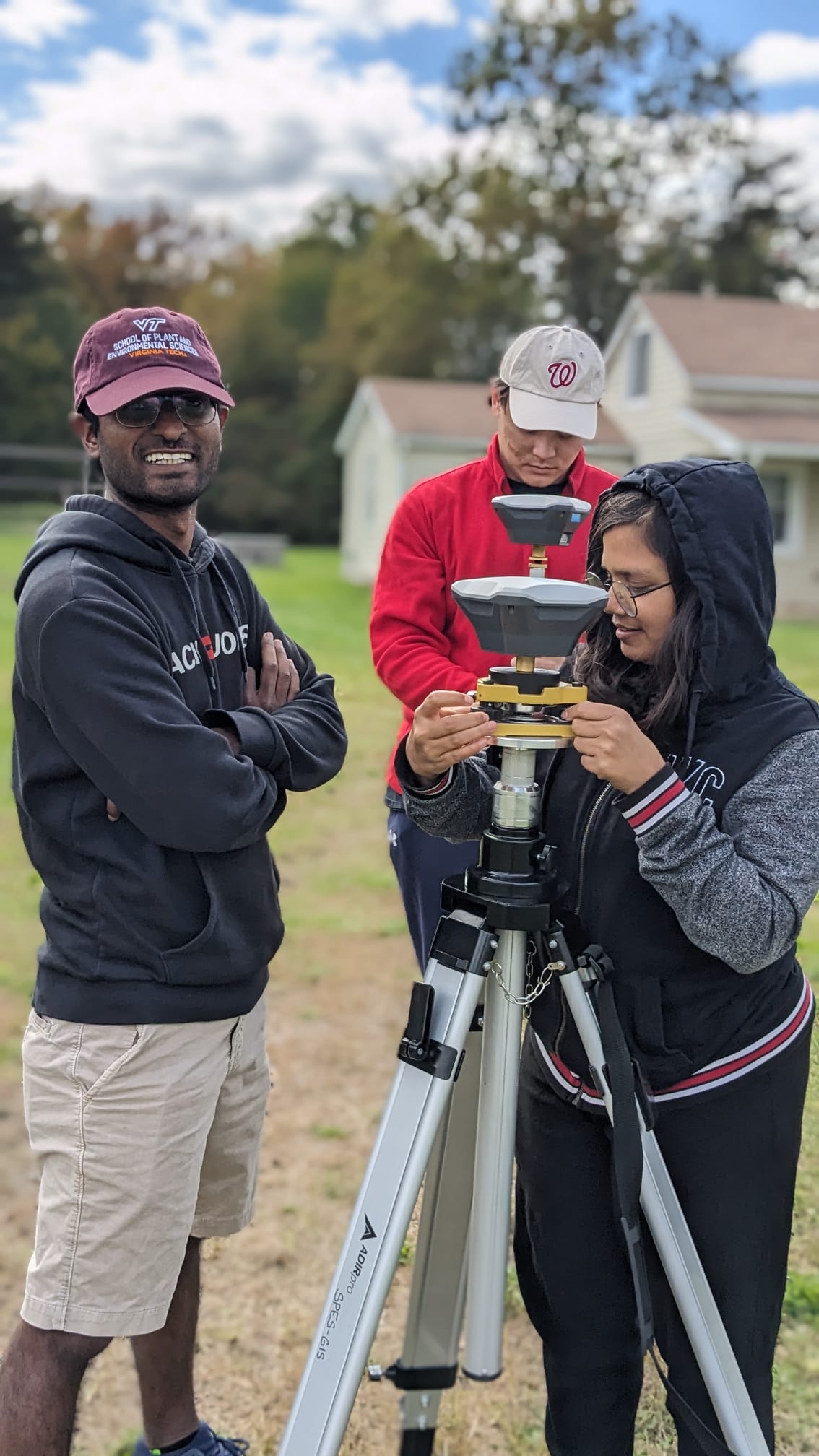
We use a living-lab and co-design approach. Farmers, crop advisors, program operators, researchers, buyers, public institutions, and technical specialists help define the problem, select meaningful practices and indicators, test workflows, interpret results, and improve the program. This keeps the work scientifically rigorous while grounded in the realities of farm operations, participation, and long-term adoption.
Practical
Program requirements and incentives should work within the operational realities farmers and partners face.
Transparent
Methods, assumptions, system boundaries, and limitations should be understandable and documented.
Farmer-centered
Farmers should have clarity about participation, data use, potential benefits, and the obligations of a program.
Evidence-led
Outcomes should be supported by evidence that clearly distinguishes what is measured, estimated, and uncertain.
Independent where necessary
Agropod separates program design and evidence-preparation functions from formal independent assurance when program rules require third-party verification.
Our Mission
Company Stats
Built Through Research, Practice, and Partnership
Over 50 workshops, sessions, and stakeholder groups engaged
CO-DESIGN
100+ peer reviewed publications
Evidence
Decisions supported or projects deployed in over 10,000 acres
Impact
Experts from agronomy, computer science, and social sciences
Trust
Leadership
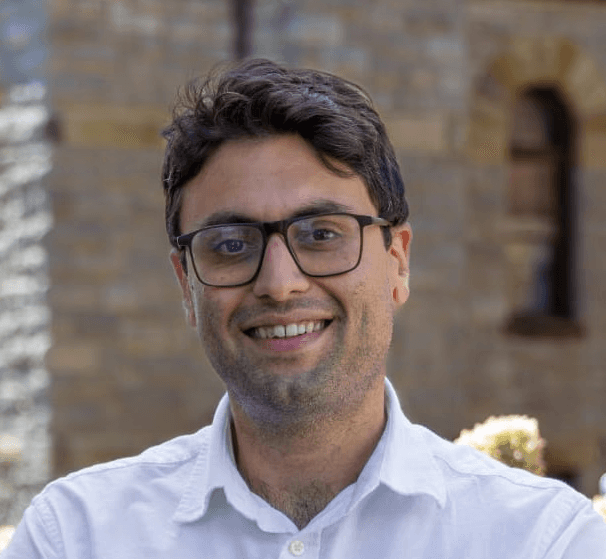
Dr. Maaz Gardezi
Founder & CEO
Maaz founded Agropod out of a conviction that rural communities should thrive as regenerative agriculture grows. He works closely with farmers, advisors, and program teams to understand what participation really demands on the ground, then shapes programs where incentives, evidence requirements, and data governance hold up to that reality. His focus is on making regenerative practice durable: worth joining, fair to producers, and credible to the markets and institutions that reward it. He is also an Associate Professor at Virginia Tech, where his research spans trustworthy AI, agricultural data governance, and responsible innovation.

Dr. Muhammad Ali Gulzar
Chief Technology Officer
Dr. Muhammad Ali Gulzar is Agropod’s Chief Technology Officer. He leads the technical foundations that make Agropod’s program, traceability, and evidence systems more transparent, testable, and trustworthy. Gulzar is also an Assistant Professor of Computer Science at Virginia Tech, where his research advances reliable, data-intensive systems through automated debugging and testing, with work spanning provenance, federated learning, and scientific analysis software.

Dr. Scott Merrill
Chief Scientist for Behavioral Insights
Scott leads Agropod’s behavioral research, studying how farmers and program participants actually decide under risk, uncertainty, and real operational pressure. A systems ecologist by training, he uses experimental games, choice experiments, and predictive modeling to test participation rules, incentive structures, and documentation requirements long before they reach the field. His work turns what participants reveal into practical guidance, showing which program designs will earn genuine adoption and which will quietly fail. Scott is also a Research Associate Professor and Managing Director of the Social-Ecological Gaming & Simulation (SEGS) Lab at University of Vermont.