Climate and Agricultural Resilience
Explore Project
Climate-resilience decision-support framework and stakeholder co-design toolkit
Stakeholders Engaged
Mountain farmers and community partners
Solution Delivered
2023 - 2024
Impact & Adoption
Improved readiness and locally led adoption
YearS
Overview
Challenge
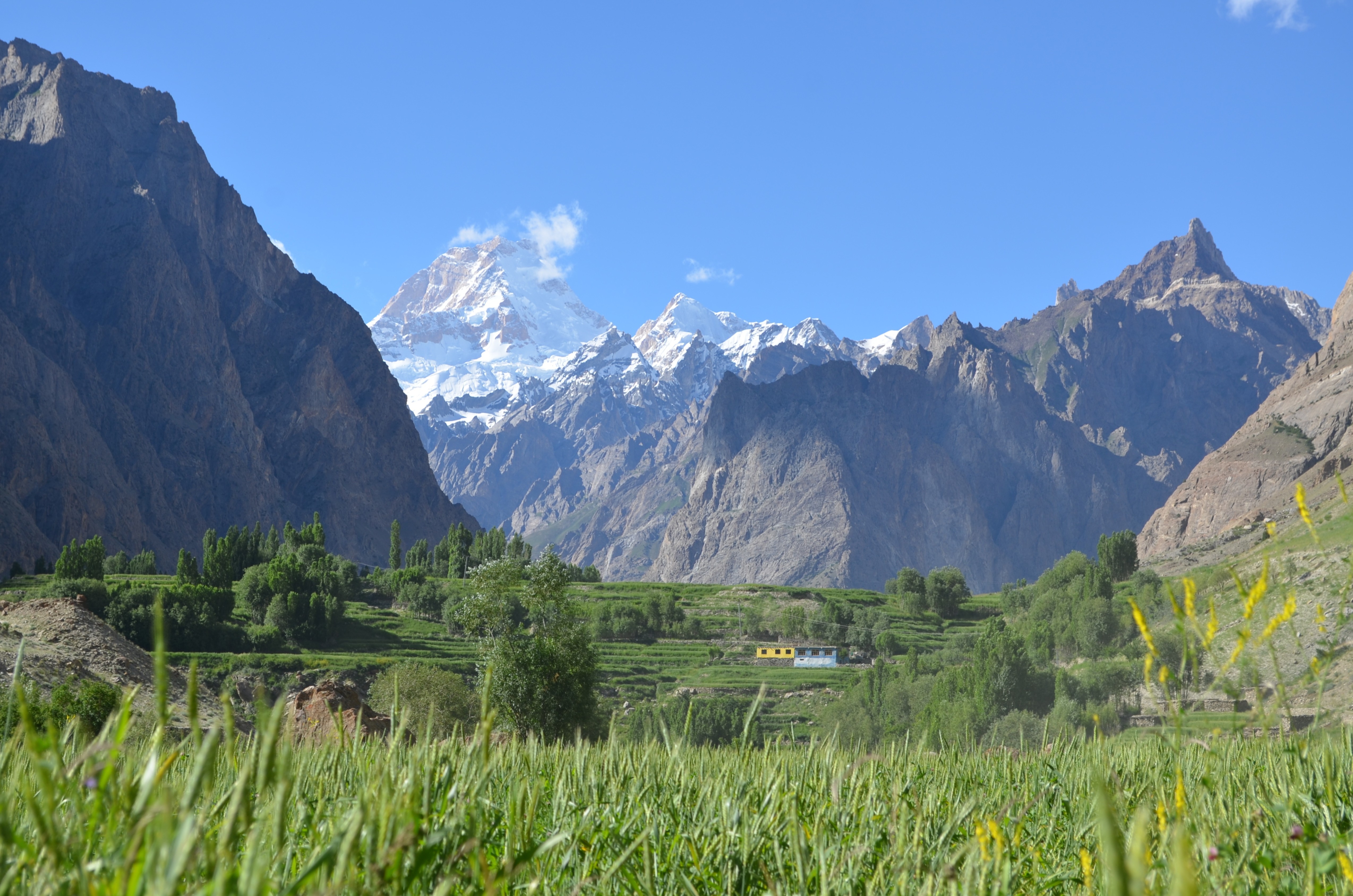
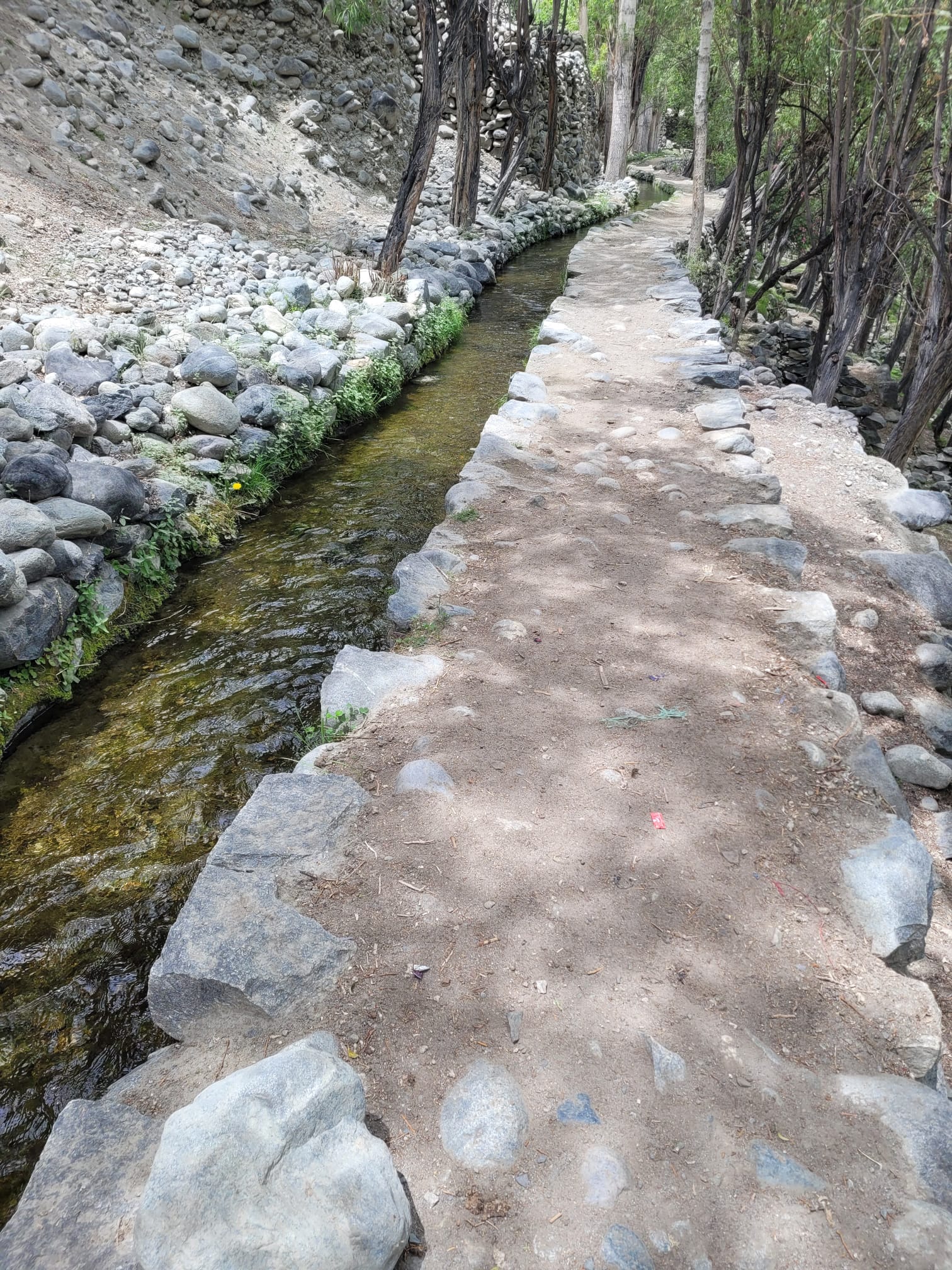
Climate-resilience strategies are often developed at broad geographic scales, although farmers make decisions within particular landscapes, communities, markets, and farming systems. Mountain and other geographically complex communities may face changing rainfall, heat stress, water limits, erosion, shifting seasons, difficult terrain, infrastructure constraints, and unequal access to information.
Claim or decision
Locally co-designed indicators and evidence systems can make resilience planning more relevant to the conditions and priorities of agricultural communities.
Stakeholders
Mountain farmers and community partners.
Evidence used
Participant-defined resilience challenges; locally meaningful outcomes; feasible field measurements; community and agricultural observations; decision-support needs; participant interpretation of results.
Method
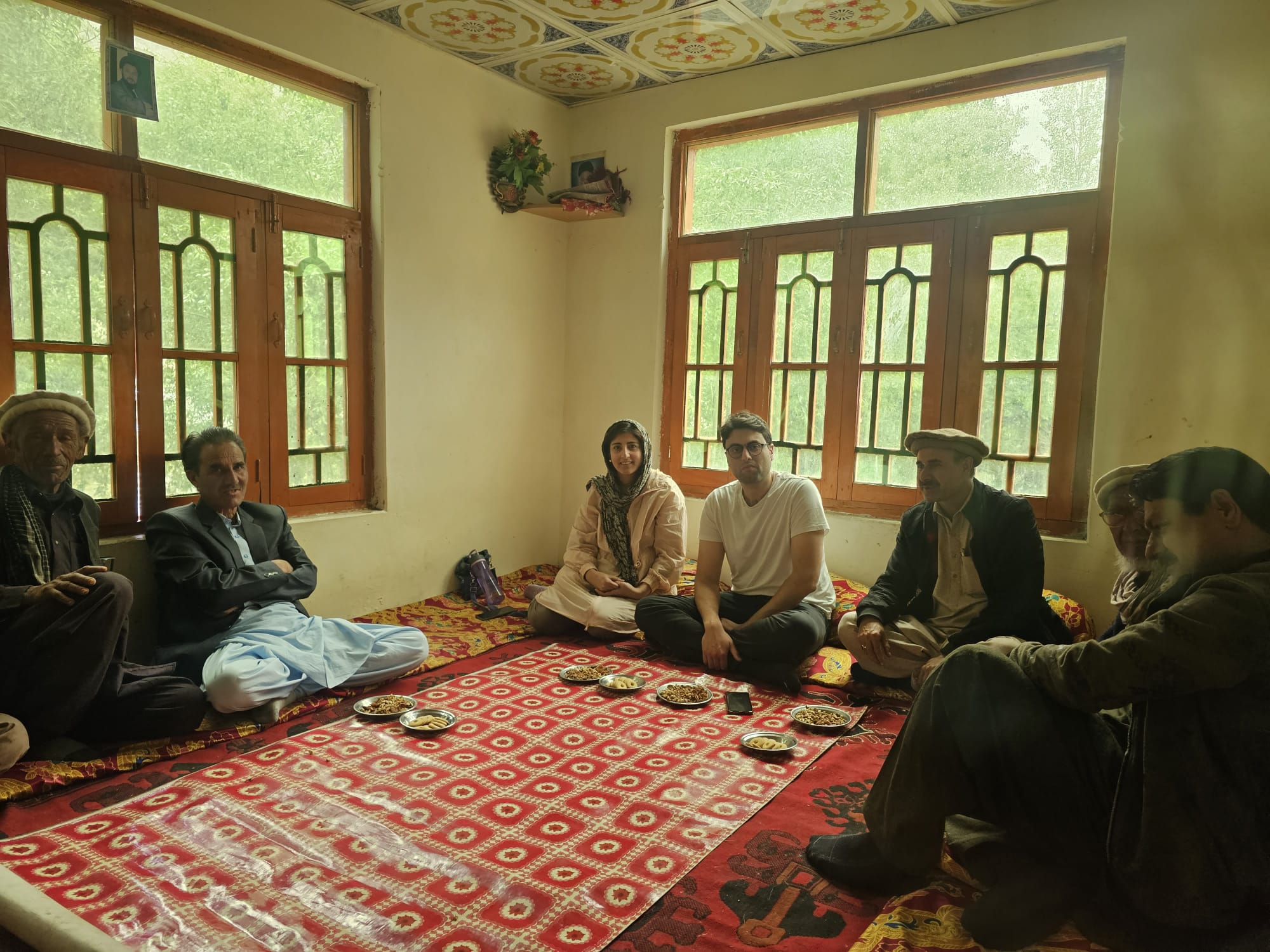
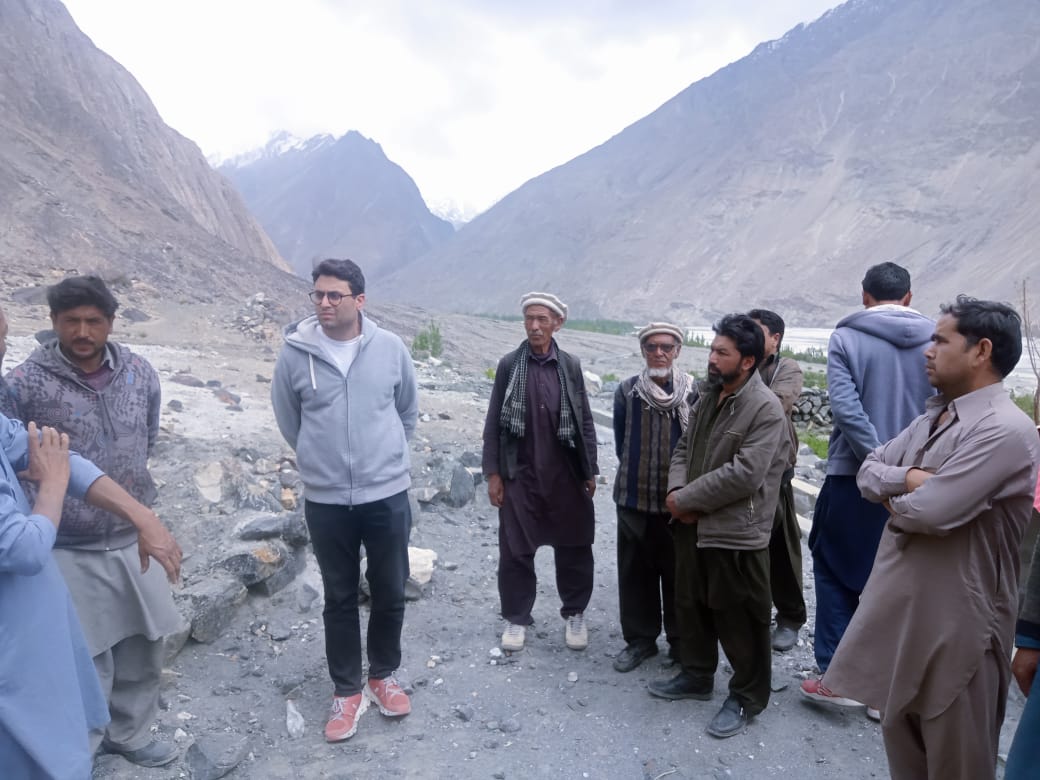
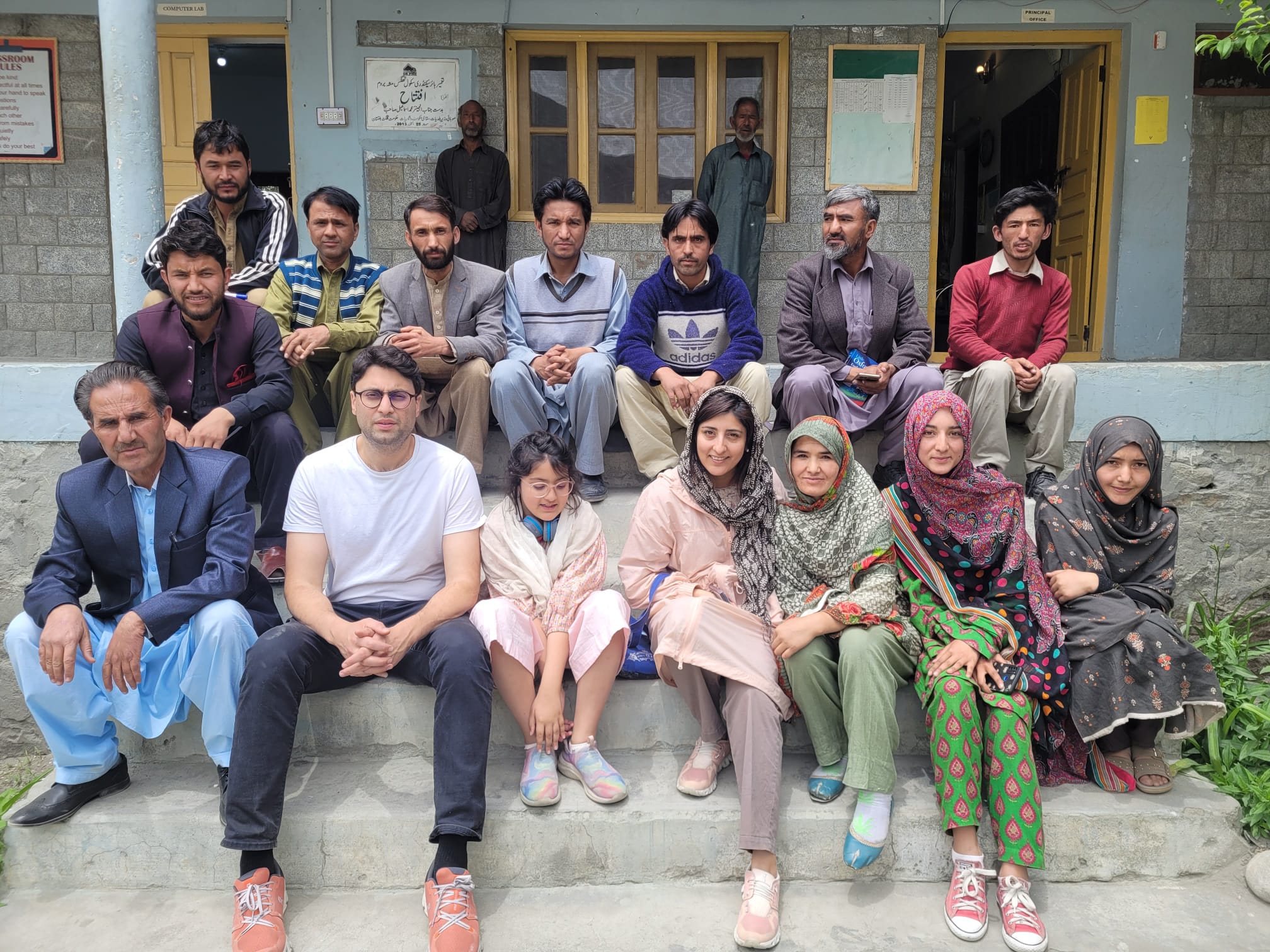
Agropod used a co-design process with mountain farmers and community partners, beginning with observed climate changes, difficult decisions, available resources, credible information, realistic technologies, and outcomes that mattered most locally. The process listens, defines, designs, tests, adapts, and supports.
Process
The co-design process: Listen to lived experience and observed changes; Define priority challenges; Design around local workflows; Test in realistic settings; Adapt based on feedback; and Support local partners as they continue using and adapting resources.

Results
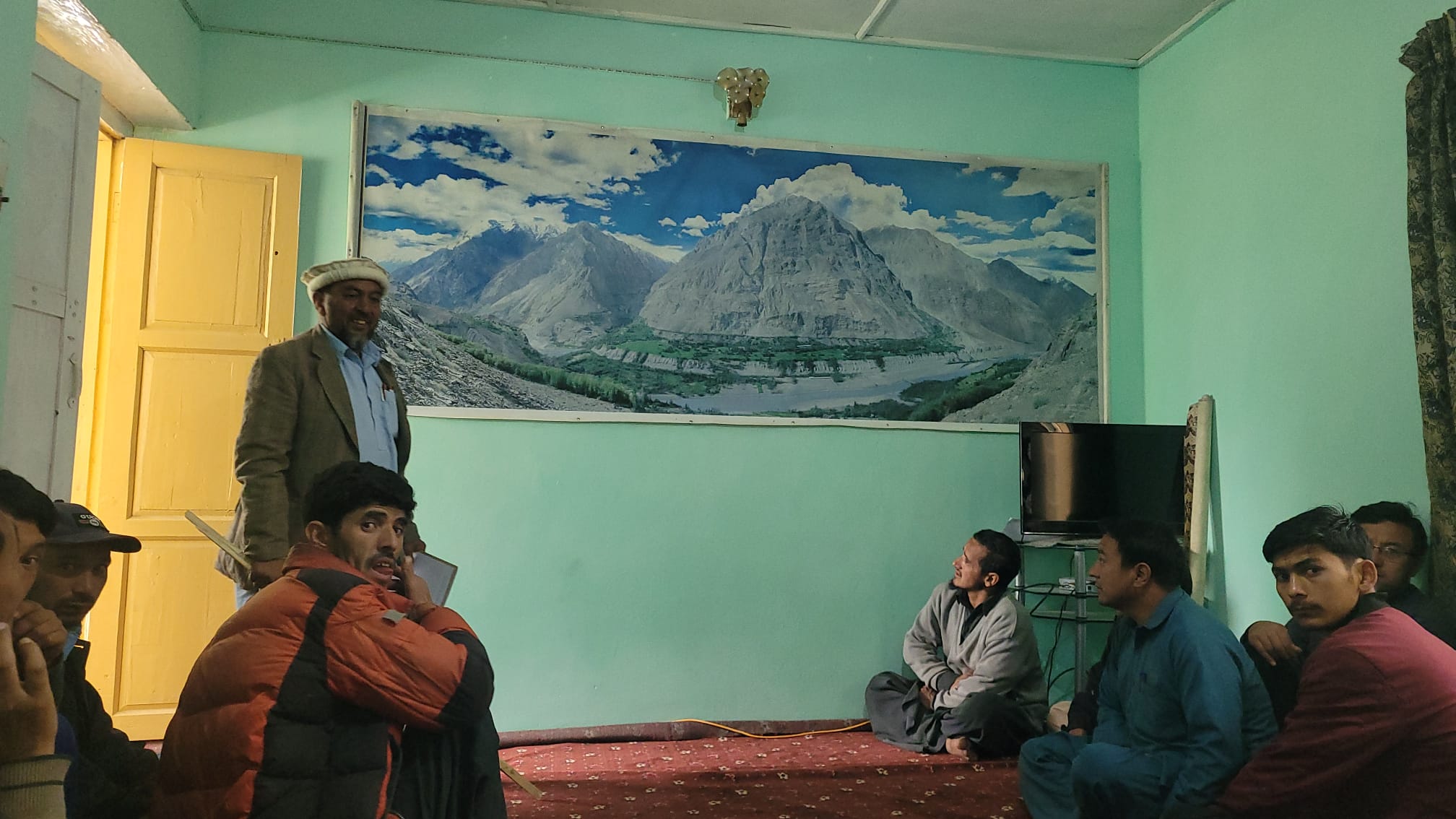
This project reflects Agropod’s broader experience in responsible digital agriculture and participatory innovation. Project outcomes should be interpreted within the specific geography, stakeholders, data, and period described. It informs how we adapt technologies and indicators to local contexts.